
Freehold
Freehold is outright ownership of a property with no time limit; foreign nationals can hold it only in areas each emirate has designated for foreign ownership.
What Freehold means for a buyer
Freehold gives you ownership of the property, and a share of the land it stands on, for ever. You can sell it, let it, mortgage it and leave it in a will.
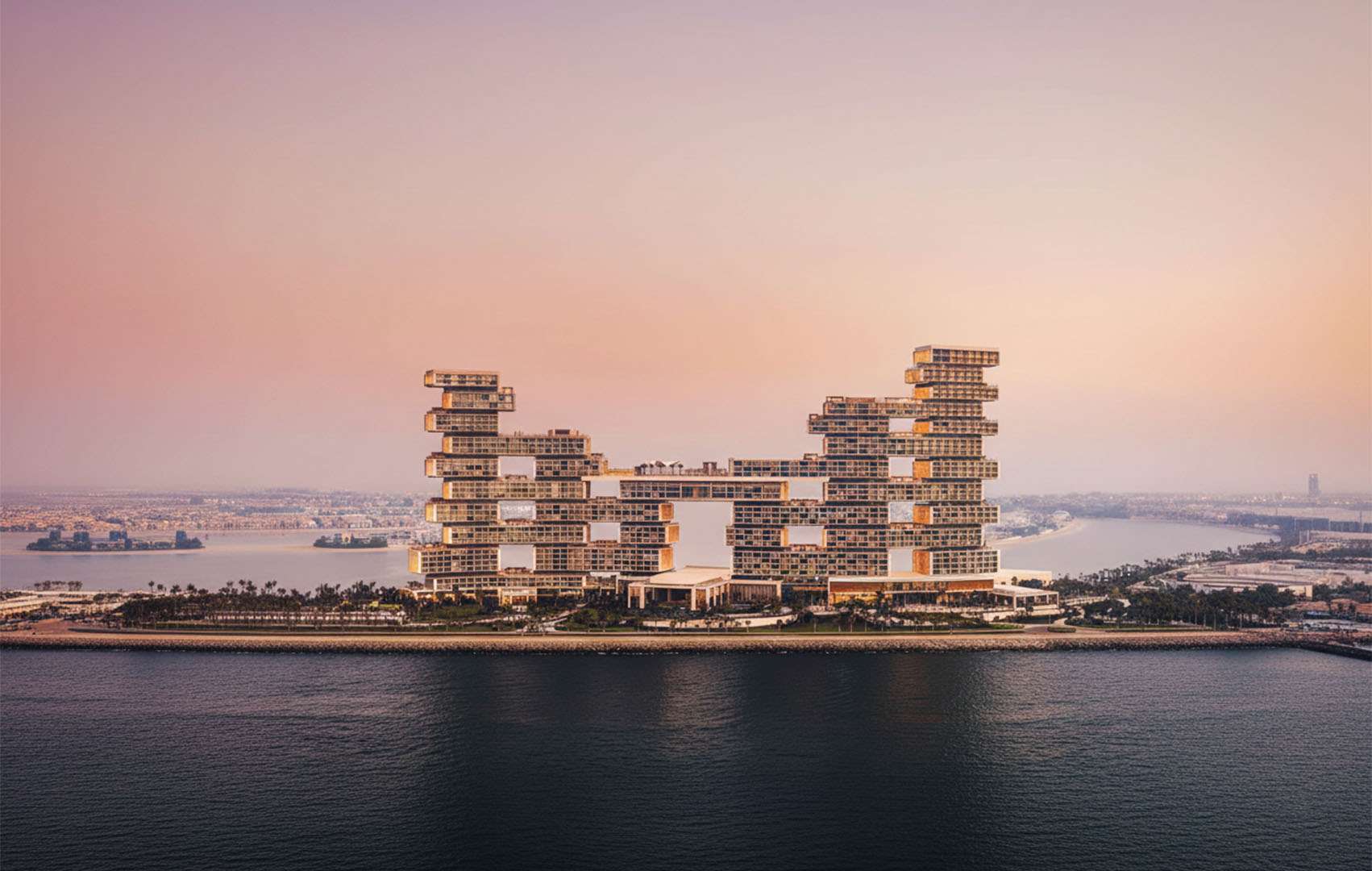
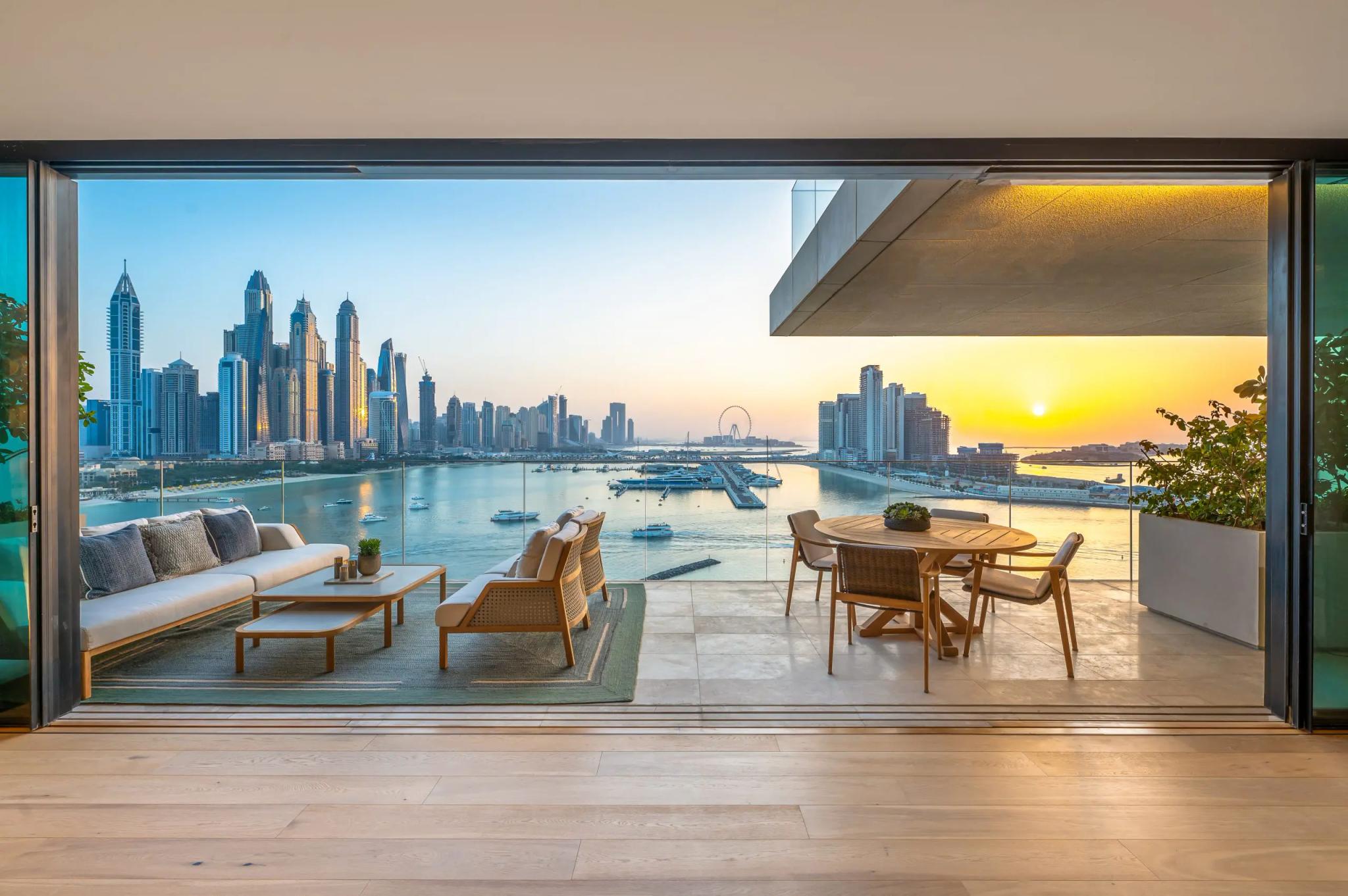
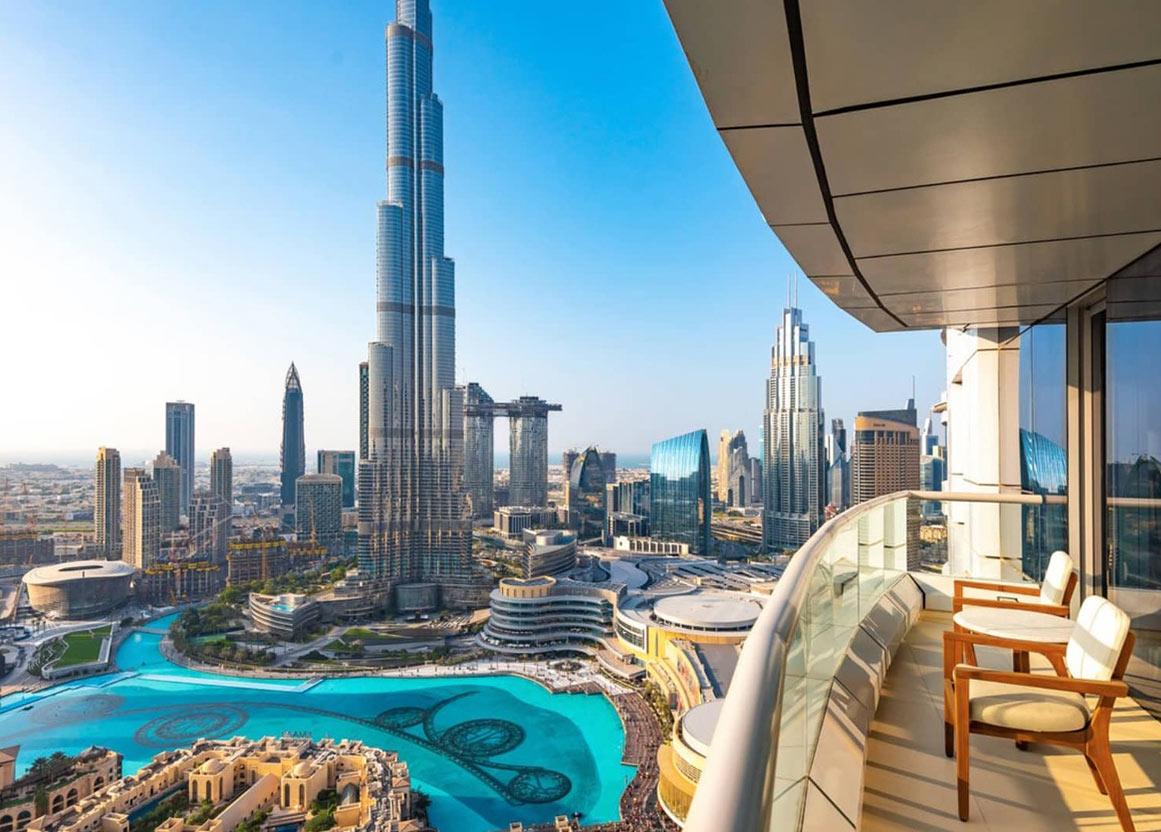
In Dubai, Law No. 7 of 2006 reserves property ownership for UAE and Gulf nationals except in areas the Ruler designates, where foreigners of any nationality, resident or not, can own freehold. Those designated areas now cover most of where overseas buyers look: Dubai Marina, Downtown Dubai, Palm Jumeirah, Business Bay, Dubai Hills Estate, Jumeirah Village Circle and many more. In Abu Dhabi, foreign freehold ownership has been possible since 2019, but only inside an investment zone such as Yas Island or Saadiyat Island. Ras Al Khaimah likewise limits foreigners to designated projects, including Al Marjan Island.
UK buyers should note one difference. In England a flat is normally leasehold; in the UAE an apartment in a designated area is freehold, with the common parts co-owned and run under jointly owned property rules. There is no ground rent, but there are annual service charges.
Before you commit, confirm the tenure on the title deed or project registration. A few communities marketed alongside freehold ones are leasehold or usufruct. Freehold ownership does not by itself give you a right to live in the UAE; residency depends on a separate visa, such as the property investor visa.
Guides that use this term
Where Freehold comes up in practice, with the costs, rules and steps around it.

Questions about the buying process?
An adviser can explain how this applies to the property you're considering.
- Current price list and availability, direct from the developer
- No fee to you on off-plan purchases: the developer pays us
- One salaried adviser, not on commission, from first call to handover