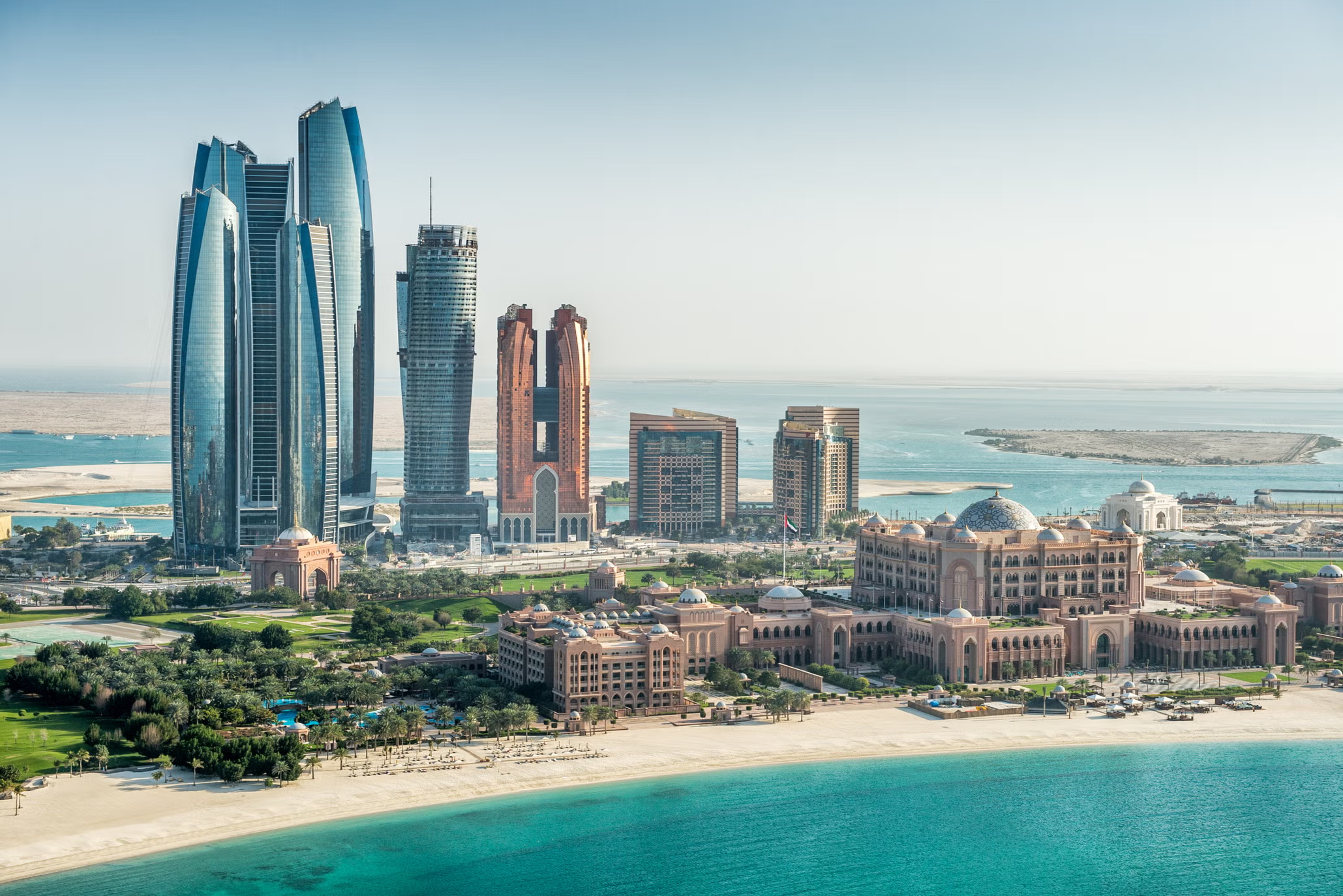
Off-plan property in Abu Dhabi
Where you can buy in Abu Dhabi, what it costs and the developments worth knowing.
- Developments
- 24
- Area guides
- 11
- Prices from
- AED 1.39M
- Transfer fee
- 2%
Abu Dhabi in brief
The UAE capital sells freehold homes to foreigners only in designated investment zones, mostly islands built by a few large developers. Sales roughly doubled in 2026, led by off-plan.
What it costs to buy in Abu Dhabi
Government fees on top of the price, set by ADREC. Work out your own figures in the calculator.
- Registration or transfer fee
- 2%
- Mortgage registration
- 0.1% of the loan
- Fees on an AED 2m off-plan home
- about AED 40,000
- New homes from
- AED 1,390,000
- Regulator
- ADREC
Where to buy in Abu Dhabi
Guides to the districts and master communities where new homes are sold, with what each one costs.
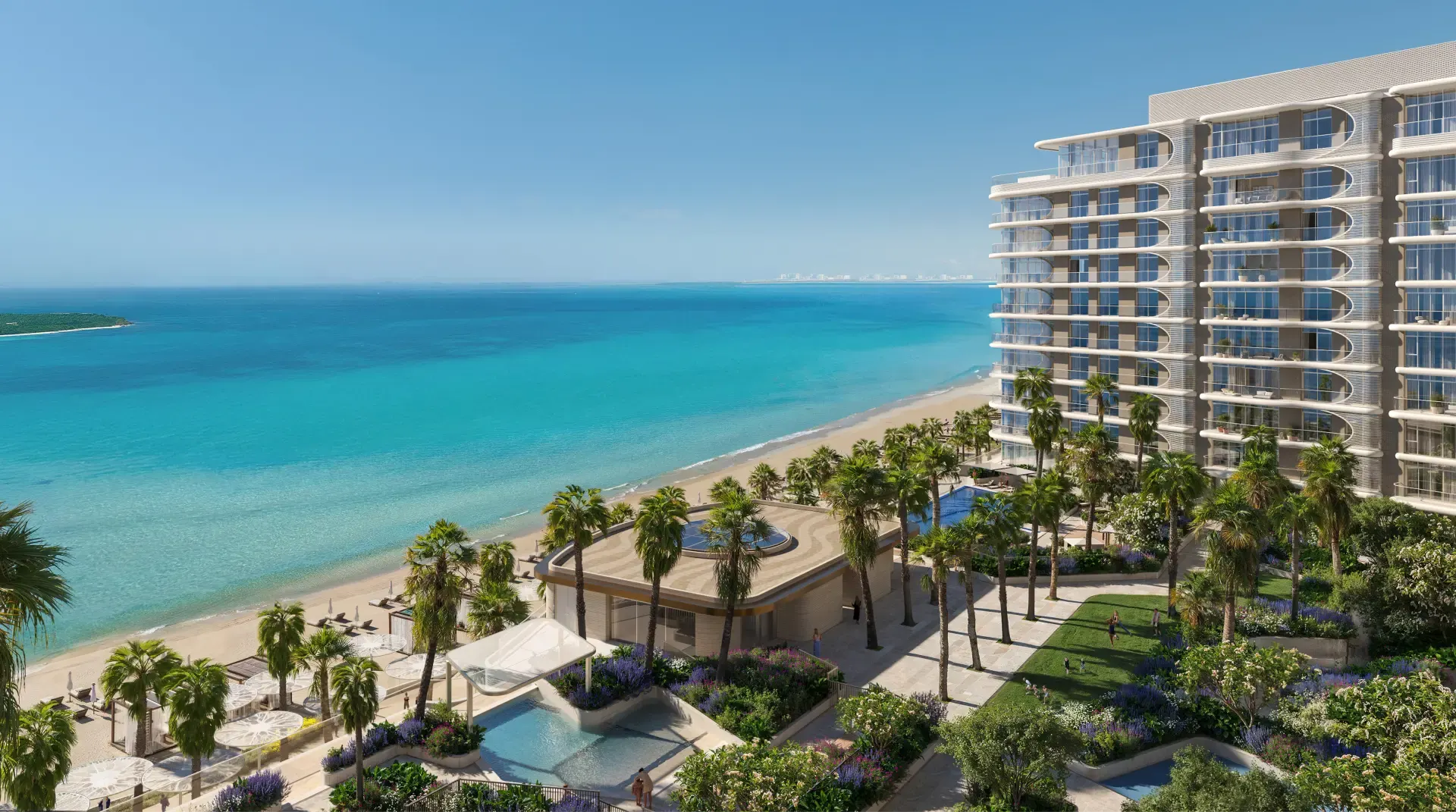
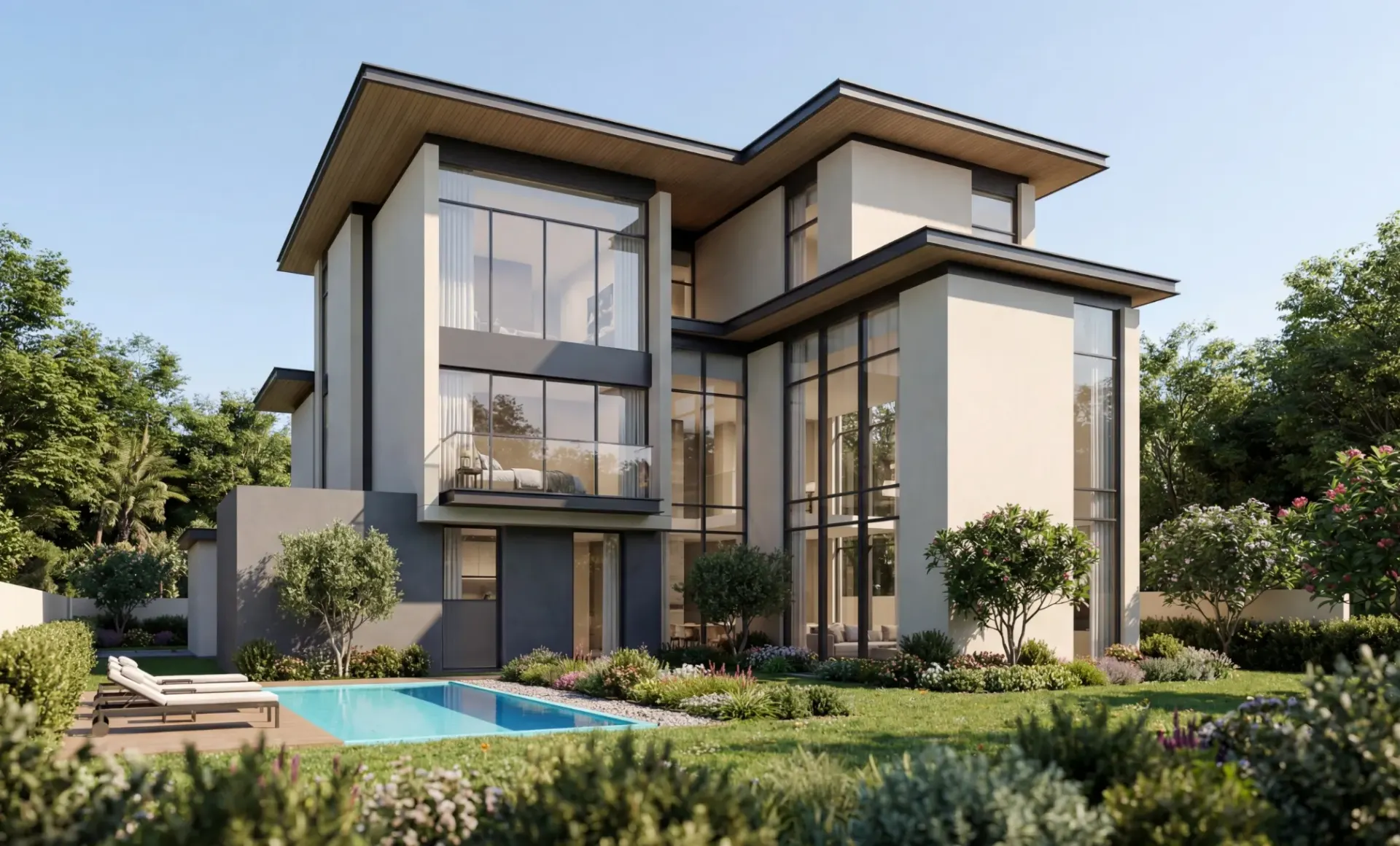
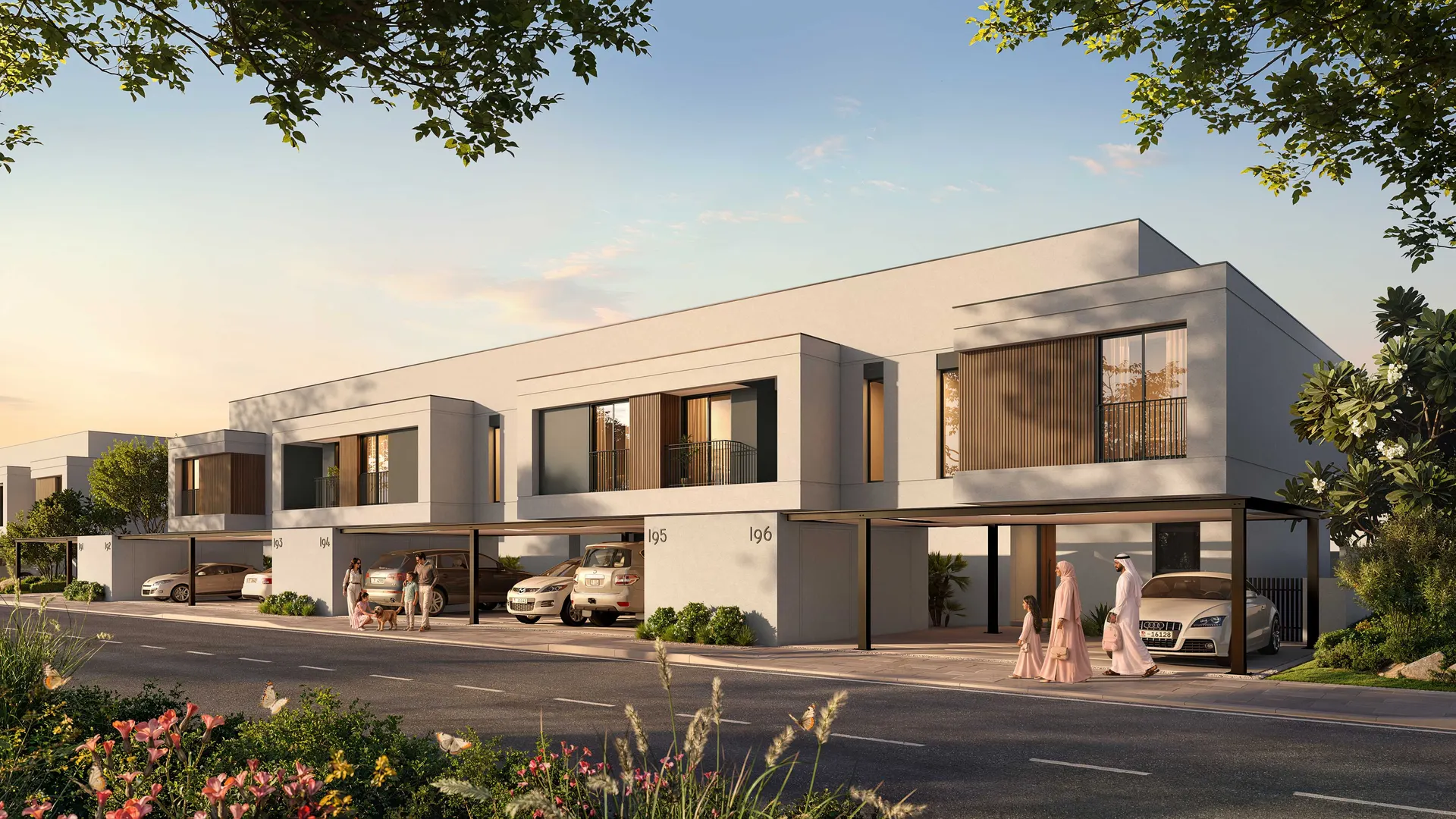
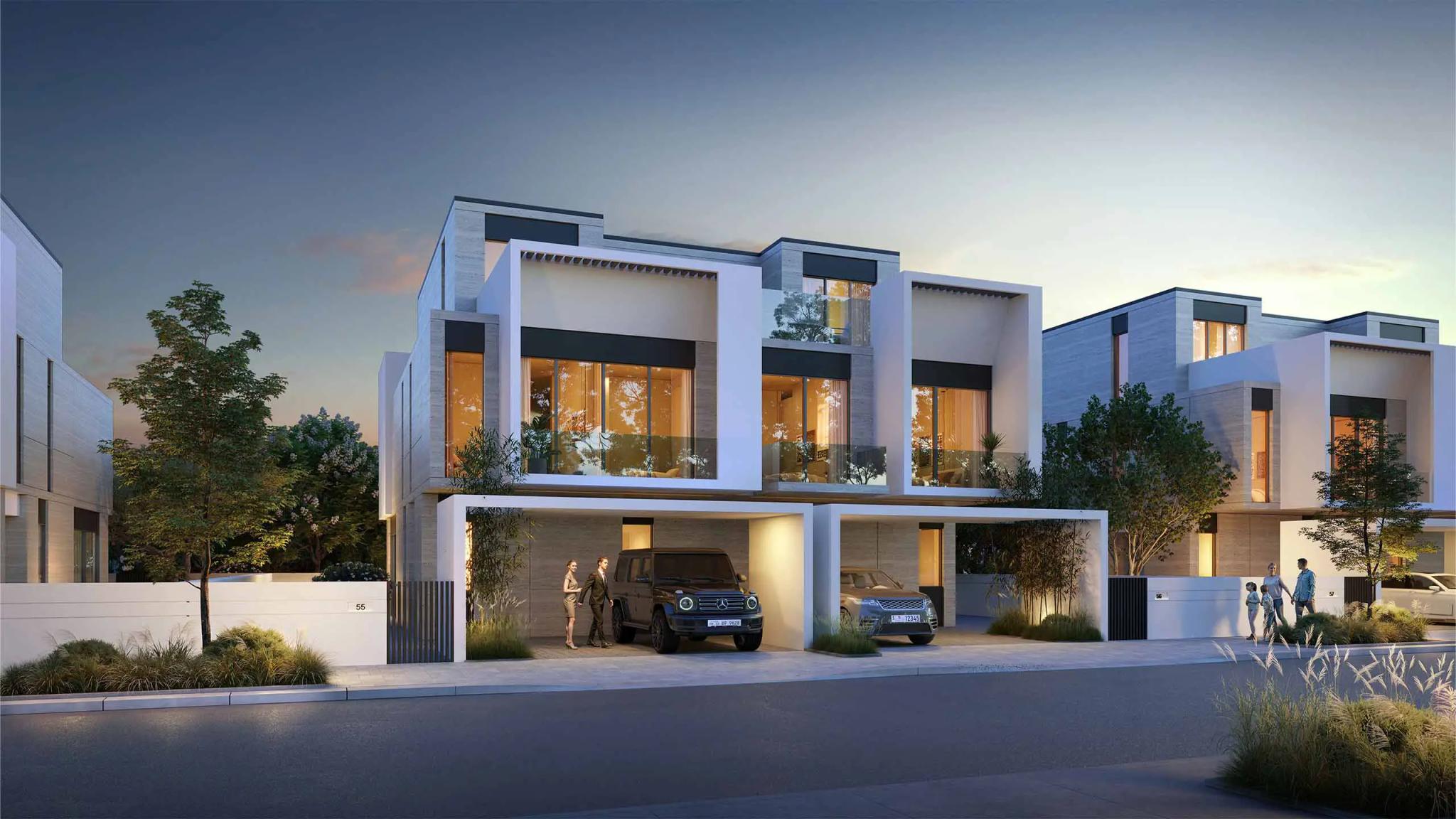
More Abu Dhabi areas
New developments in Abu Dhabi
Each page carries unit-by-unit prices, the payment schedule in dirhams and what we would weigh before buying.
Off-plan
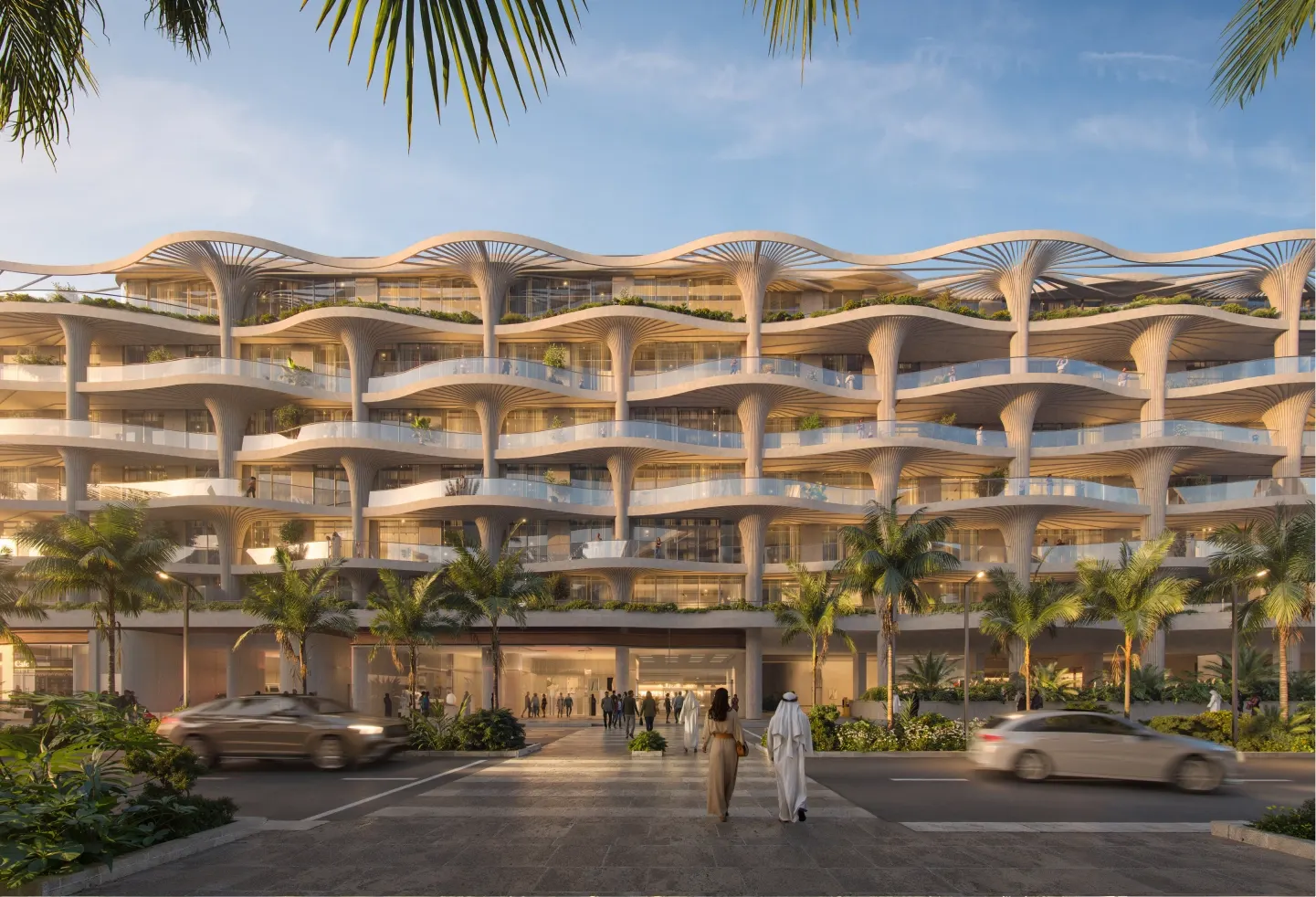
Mamsha Palm
Aldar
- Duplexes
- 4 bed
- 6,347 to 8,071 sq ft
- Handover Q1 2028
- 65/35 plan
From AED 48.32M
Saadiyat Island, Abu Dhabi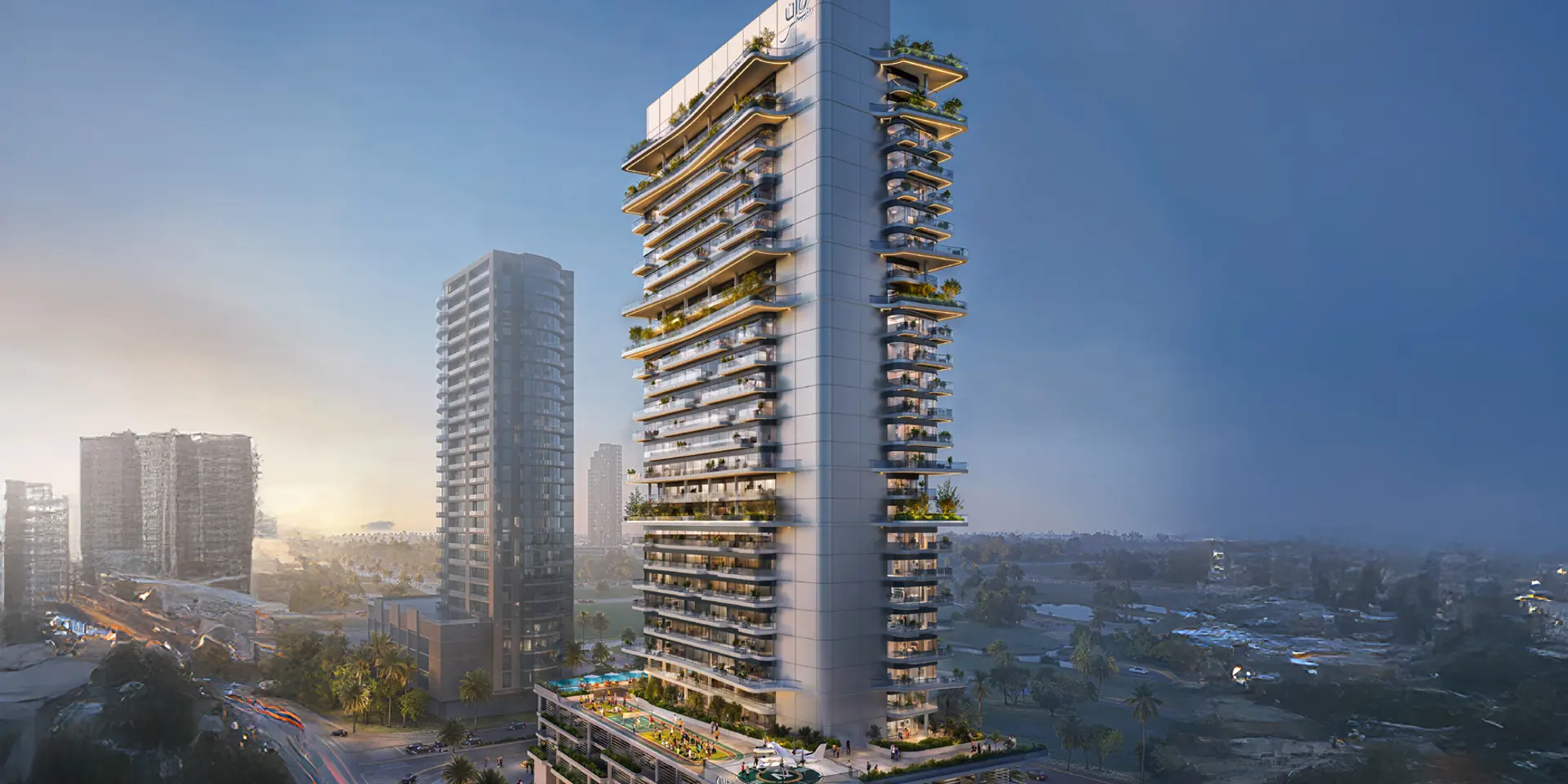
Off-plan
ONE Residence
One Development
- Apartments, duplexes
- 1 to 4 bed
- 875 to 3,352 sq ft
- Handover Q2 2028
- 50/50 plan
From AED 1.4M
Al Reem Island, Abu Dhabi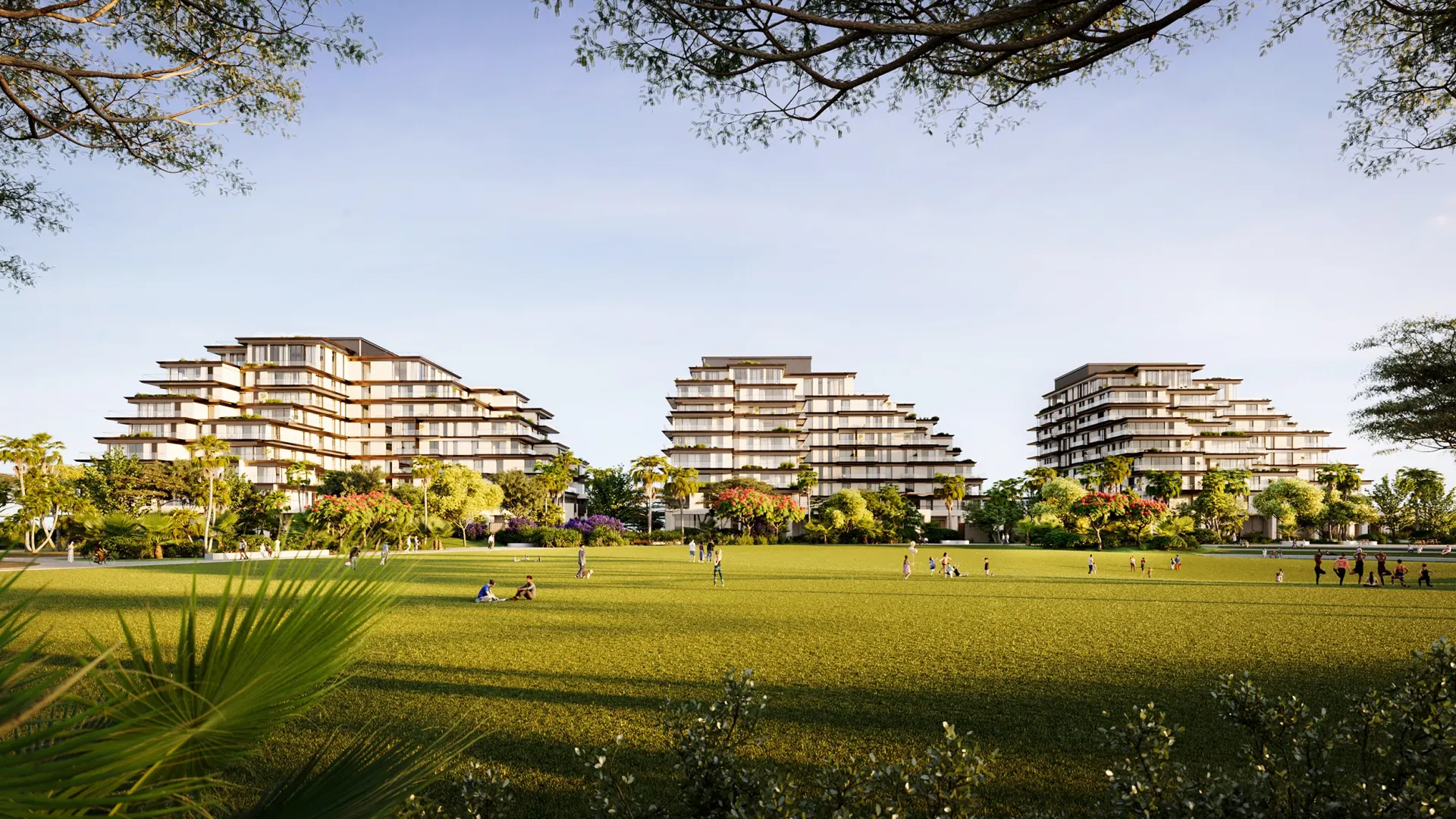
Off-plan
Sama Yas
Aldar
- Apartments, duplexes
- 2 to 3 bed
- 2,491 to 3,220 sq ft
- Handover Q2 2028
- 10/50/40 plan
From AED 5.91M
Yas Island, Abu Dhabi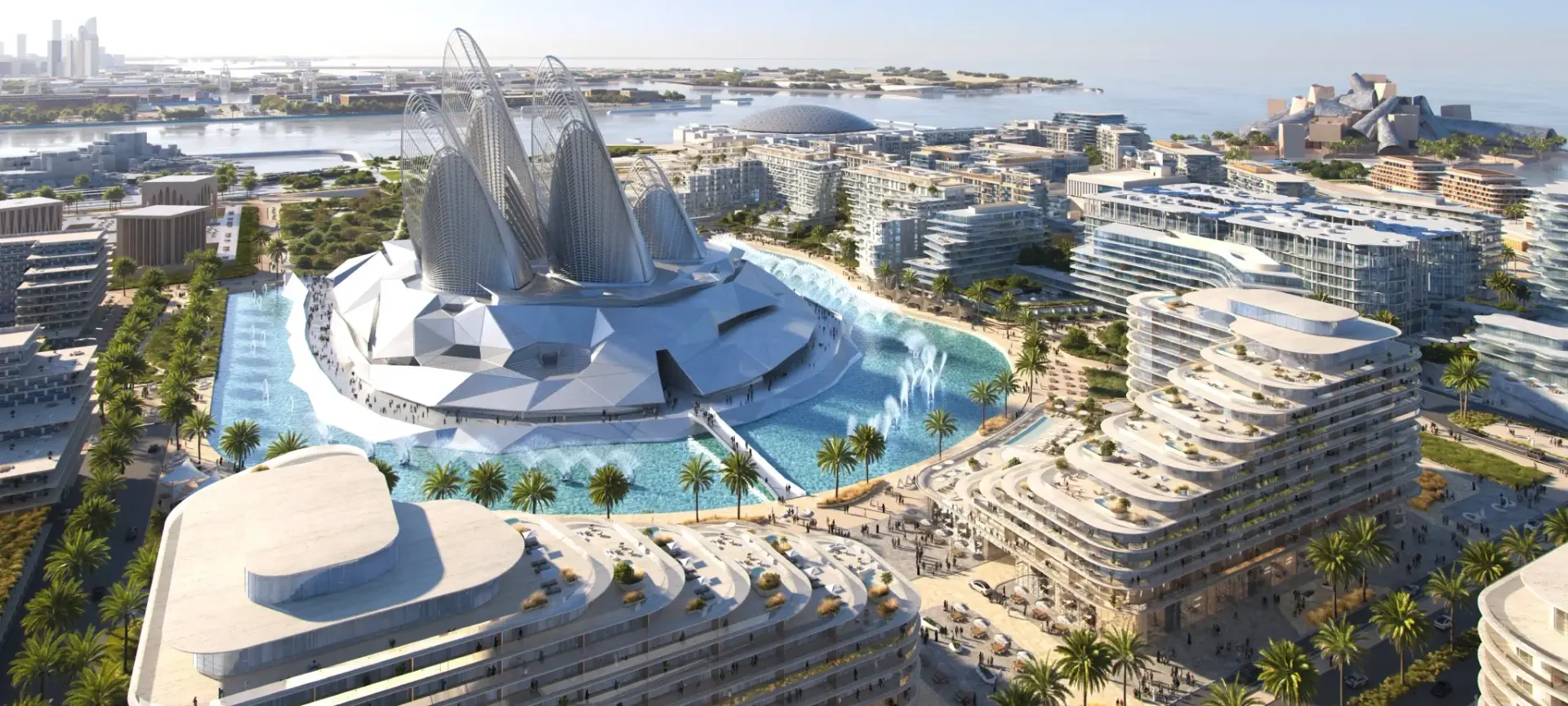
Off-plan
Mandarin Oriental Residences, Saadiyat Cultural District
Aldar
- Apartments
- 1 bed
- 1,122 sq ft
- Handover Q3 2028
From AED 7.29M
Saadiyat Island, Abu Dhabi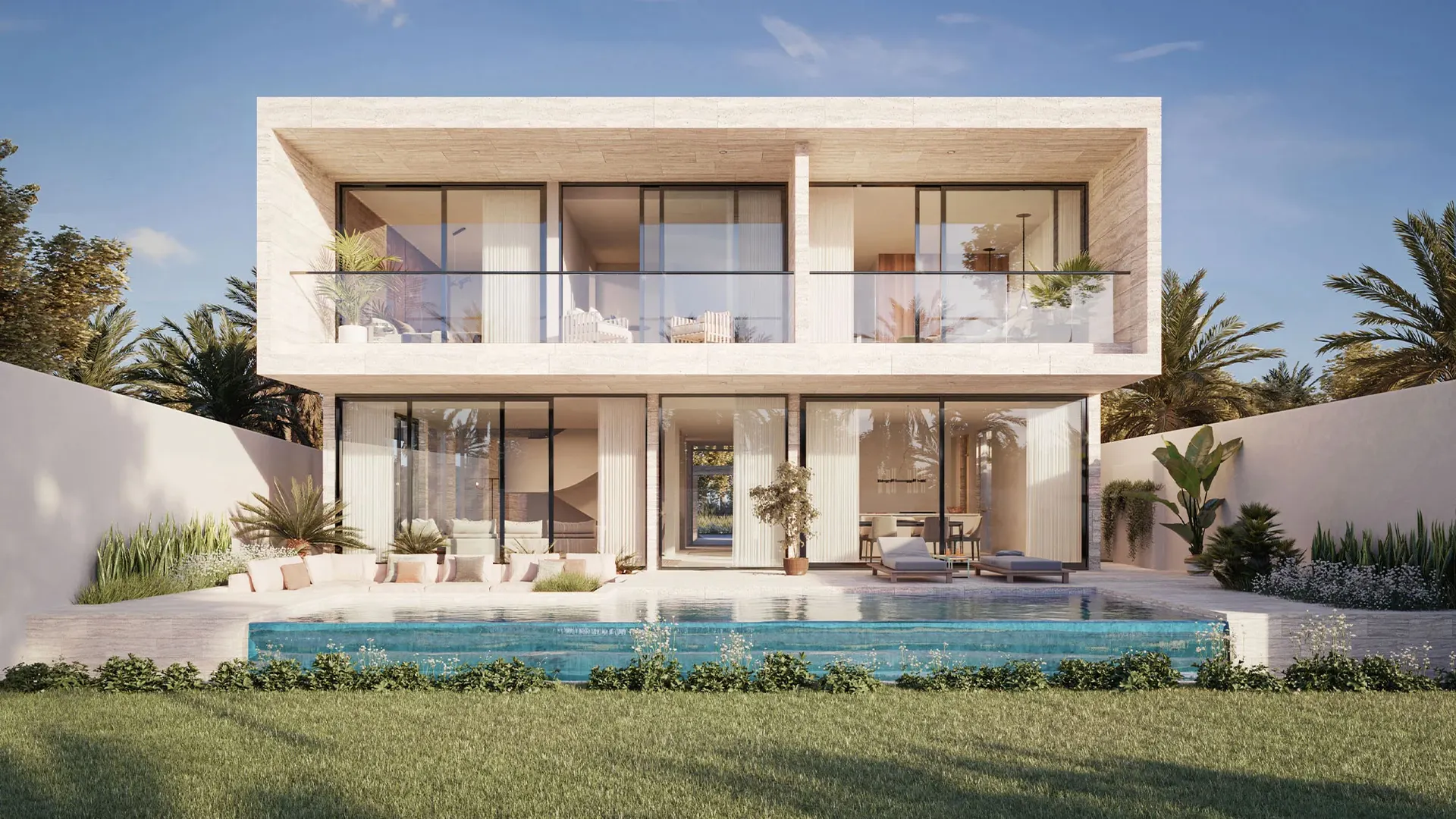
Off-plan
Nawayef East
Modon
- Villas
- 4 to 7 bed
- 3,983 to 5,037 sq ft
- Handover Q4 2028
- 40/60 plan
From AED 6.6M
Hudayriyat Island, Abu Dhabi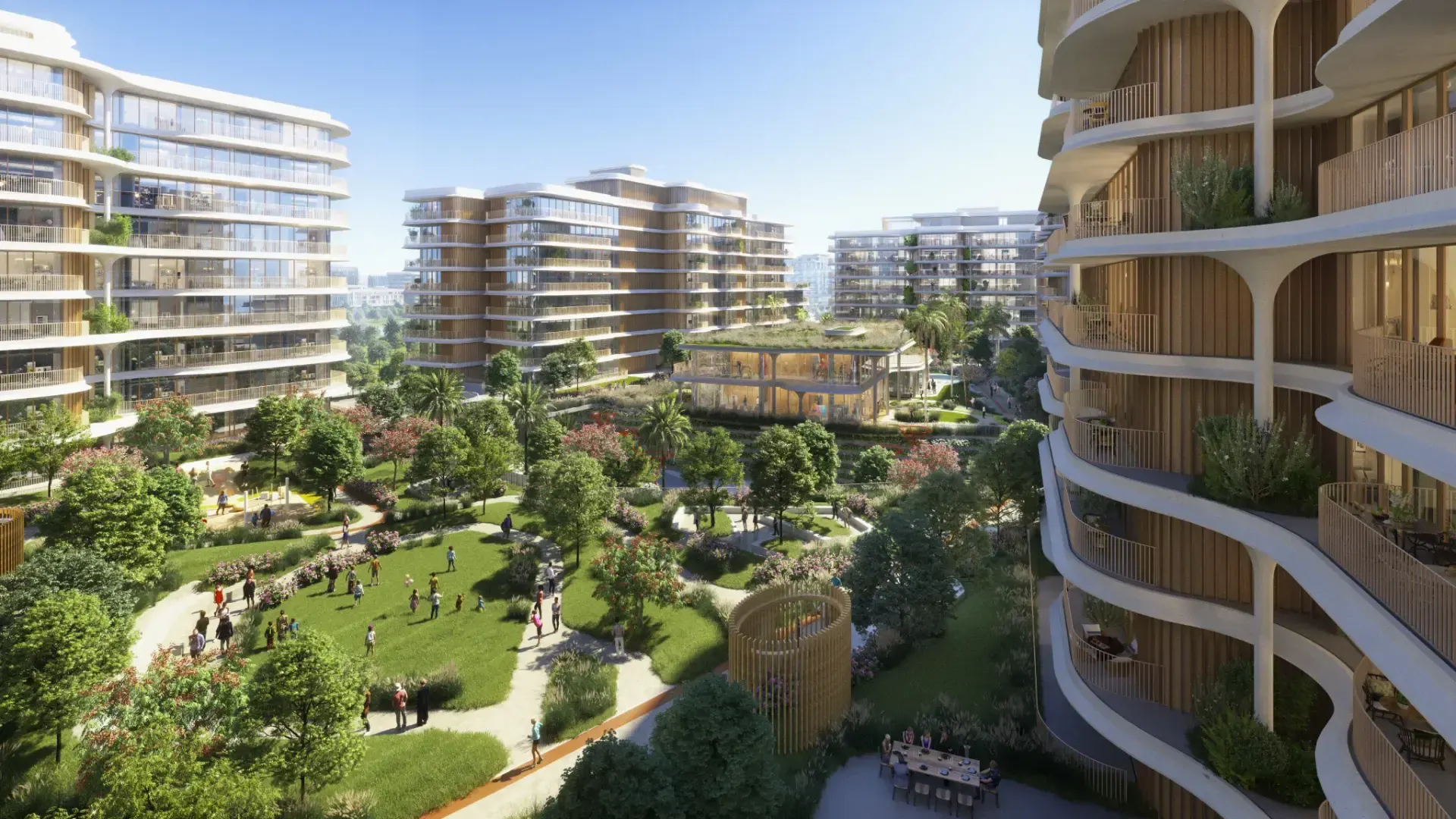
Off-plan
Mamsha Garden
Aldar
- Apartments
- 2 bed
- 2,679 sq ft
- Handover Q1 2029
- 10/55/35 plan
From AED 8.12M
Saadiyat Island, Abu Dhabi
Talk to an adviser about Abu Dhabi
Current launches, prices and payment plans, and a straight view on which areas suit your budget.
Developers active in Abu Dhabi
Aldar
Est. 2004Abu Dhabi's largest listed developer, behind Yas Island and Al Raha Beach, now also building in Dubai with Dubai Holding and Expo City.
Abu Dhabi, Dubai, RAK17 developmentsModon
Est. 2024An Abu Dhabi state-controlled group formed in 2024, master developer of Hudayriyat Island and Reem Hills, with events and hospitality arms alongside property.
Abu Dhabi3 developmentsSobha Realty
Est. 1976Private luxury developer that designs, manufactures and builds in-house; best known for Sobha Hartland in Dubai, now also in Abu Dhabi and Umm Al Quwain.
Dubai, Abu Dhabi, UAQ3 developmentsA young UAE developer building AI-connected apartment towers: Laguna Residence in Dubailand, DO Hotels & Residences on Dubai Islands and ONE Residence on Al Reem Island.
Dubai, Abu Dhabi1 development
Abu Dhabi property by type, budget and theme
- Apartments13
- Villas9
- Waterfront property19
- Golden Visa eligible property23
- Property under AED 2 million4
- Luxury property14
- Property under AED 3 million5
- Property under AED 5 million10
- Off-plan with 10% down or less18
- 1-bedroom apartments6
- 2-bedroom apartments11
- 2-bedroom duplexes6
- 3-bedroom apartments10
- 4-bedroom villas9
- 5-bedroom villas6
- 6-bedroom villas6
- 2028 handover5
- 2029 handover9
- 2030 handover6
- 2031 handover4
Who can own what
Where foreigners can own. Non-GCC nationals may own property in Abu Dhabi only inside designated investment zones. The governing law is Law No. 19 of 2005, as amended by Law No. 13 of 2019. The 2019 amendment was reported at the time as allowing foreign investors to buy freehold in the zones for the first time; before it, they could hold only long leases of up to 99 years, and freehold was limited to UAE and GCC nationals. Developers such as Modon now state that buyers of all nationalities own both the home and the land beneath it. The UAE government portal still summarises the rights in older terms (ownership of units but not land, usufruct of up to 99 years, musataha of 50 years renewable, and leases of 25 years or more), so read the title offered in your own sale agreement and ask a lawyer to confirm it.
Which zones. The list published in April 2019 named 17 zones, including Yas Island, Saadiyat Island, Al Reem Island, Al Raha Beach, Al Reef, Masdar City, Al Maryah Island, Fahid ('Fahed') Island, Jubail Island and Al Jurf at Ghantoot. More have been added since: ADREC said in July 2026 that eight new zones had been approved in the first half of the year, bringing the total to 50. Newer communities such as Hudayriyat Island and Bloom Living are sold on that basis. We could not find a public list of all 50, so for any project outside the well-known islands, ask the developer for written confirmation of its zone status.
Who regulates. The Abu Dhabi Real Estate Centre (ADREC), launched by the Department of Municipalities and Transport (DMT), regulates developers, brokers and transactions and registers sales. Its online services are provided through its own website and the DARI platform (dari.ae), and its Madhmoun platform issues the permits that every property advertisement in Abu Dhabi must carry. On Al Reem Island, which has been within the Abu Dhabi Global Market (ADGM) free zone since April 2023, the ADGM Registration Authority has handled property registration since 1 January 2025.
Costs on purchase. A registration fee of 2% of the price is payable on purchase. Some developers advertise that they will pay it as an incentive. Abu Dhabi does not levy annual property tax, and developers state that there is no tax on rental income or capital gains for individuals; your home country may tax both.
Off-plan protections. Off-plan sales are governed by Law No. 3 of 2015, amended by Law No. 2 of 2025. Each project must have its own escrow account with an approved trustee, buyers' instalments must be paid into it, and the money can be used only for construction and direct completion costs, not for land or broker commissions. A developer cannot normally withdraw from escrow until 20% of construction is complete.
In March 2026 DMT announced four administrative decisions that tighten these rules:
- Decision 24 of 2025 (escrow). ADREC may allow earlier withdrawals only for developers registered in Abu Dhabi for at least four years, with three projects delivered on time and a clean 12-month record, and only against an unconditional bank guarantee of at least 20% of construction cost.
- Decision 25 of 2025 (jointly owned property). Developers must make mandatory disclosures on off-plan sales and are liable for materially inaccurate or incomplete disclosures for two years from transfer. Service charges must be approved, unapproved fees are prohibited, and charges are payable monthly or quarterly.
- Decision 26 of 2025 (owners' committees). Once 30% of units are registered to owners, a committee of five to nine resident owners is elected, with developers excluded.
- Decision 165 of 2025 (cancellations). If a buyer defaults and the developer cancels, the amount the developer may keep is graduated by construction progress: typically 10% of the price in the early stages, rising to 40% once the project is 60% or more complete. Refunds of the balance must be paid within 15 working days. If a project never starts for reasons outside the developer's control, the buyer is refunded in full.
This summary draws on commentary by Trowers & Hamlins and King & Spalding. It is information, not legal advice, and the exact percentages and effective dates should be checked against the decisions themselves.
Residency. Buying property does not itself confer residency. Owners of property worth AED 2 million or more may apply for the 10-year Golden Visa.
The case for Abu Dhabi
- Freehold ownership for foreign nationals in designated investment zones; ADREC counted 50 zones in July 2026
- AED 171.26 billion of transactions in the first nine months of 2026, up 76.1% year on year (ADREC)
- Residential sales of AED 70.4 billion in H1 2026, 89% of it off plan (ADREC)
- Buyers from 121 nationalities; the UK is among the leading sources of foreign investment
- Dedicated escrow accounts for every off-plan project, with withdrawals normally barred until 20% of construction is complete
- 2026 rules cap what a developer can keep on cancellation and require pre-sale disclosure
- 2% registration fee and no annual property tax
- Supply led by large master developers such as Aldar and Modon
What to weigh
- About nine-tenths of residential sales value is off plan, much of it due for handover between 2028 and 2031. Completion and resale conditions that far out are unknowable
- The resale market is far smaller than Dubai's. Selling quickly, or selling a high-value home at all, can take time
- Developer concentration: ten developers made 90% of off-plan primary sales in H1 2026, so buyers have little bargaining power at launch
- Most foreign-ownership areas are islands that depend on bridge links and the car. Planned rail connections, such as the Etihad Rail station at Marsa Al Saadiyat, are not yet open
- ADREC expects about 71,000 homes to be delivered by 2030, peaking in 2028. Rents and prices in apartment-heavy districts will be tested
- Repeat-sale prices rose 20% for apartments in a year. Buyers entering now are paying for that rise
Investing in Abu Dhabi property
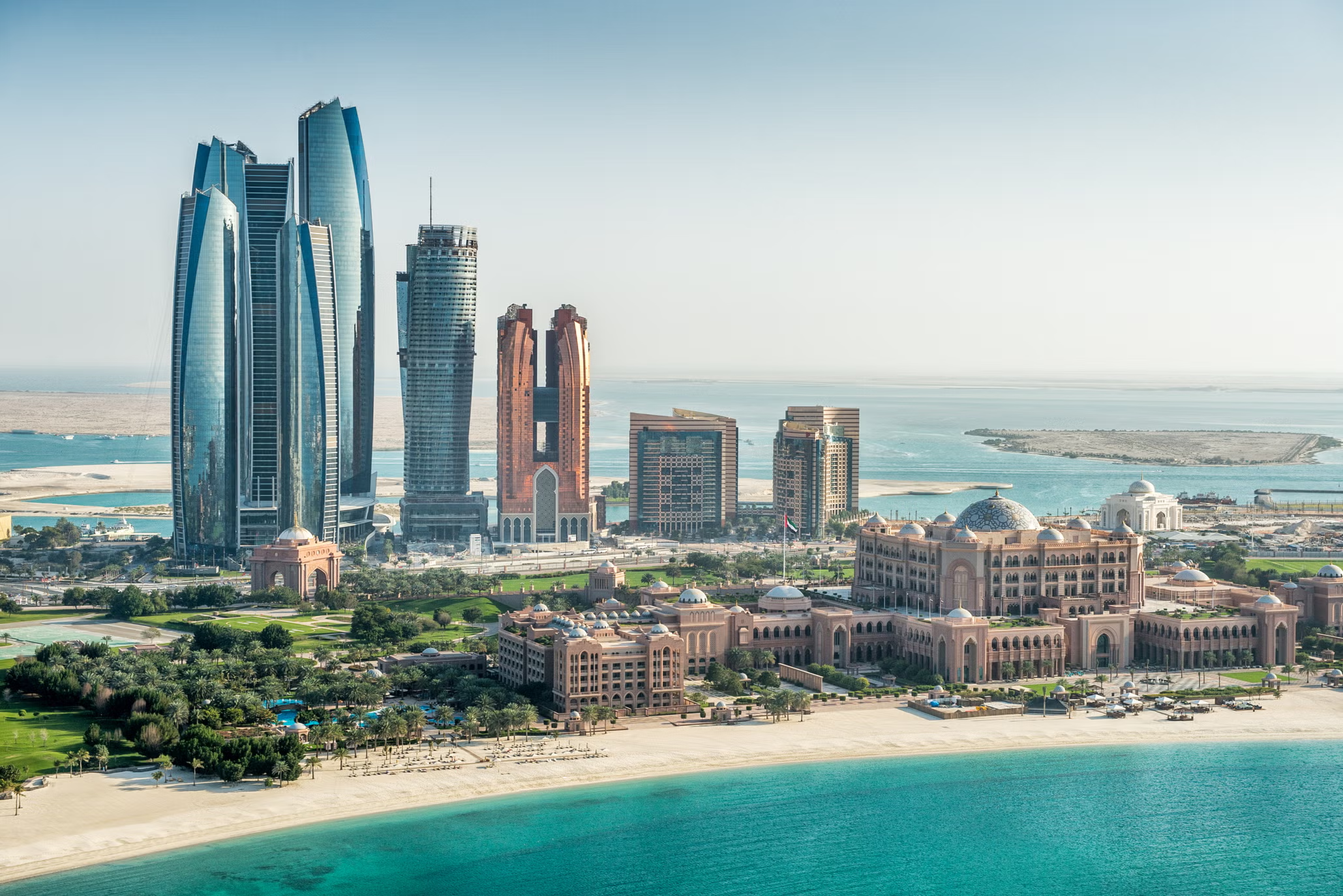
Abu Dhabi is the largest of the seven emirates and the seat of the federal government. Its property market is smaller, newer and more concentrated than Dubai's. Foreign buyers are confined to designated investment zones, and most of what they buy is built by a handful of large developers: Aldar on Yas, Saadiyat and Fahid islands, Modon on Hudayriyat and Al Reem, and a second tier that includes Bloom, IMKAN, Eagle Hills and Reportage.
2026 in figures. The Abu Dhabi Real Estate Centre (ADREC) recorded AED 171.26 billion of property transactions in the first nine months of 2026, up 76.1% on the same period of 2025, across 38,483 deals. Sales made up AED 119.33 billion of that, up 105%, and mortgages AED 45.92 billion. For the first half alone, ADREC's market report put residential sales at AED 70.4 billion, nearly three times the level a year earlier, with off-plan homes accounting for 89% of sales value and 82% of deals. Prices for homes that resold rose 20% year on year for apartments and 12% for villas over the same half. These figures count registered transactions.
Who is buying. Foreign investment in the investment zones reached AED 86.11 billion in the nine months, 81% of the value invested there. Purchases by non-resident individuals came to AED 17.22 billion, more than double the full-year 2025 figure, from 121 nationalities led by the UK, China, Russia, the US, France and Germany. Emirati buyers also stepped up, committing AED 21 billion in the first half against AED 8.9 billion a year before.
Where. Four island districts dominate. By total transaction value in the nine months, Al Reem Island led with AED 29.86 billion, followed by Hudayriyat Island (AED 28.62 billion), Saadiyat Island (AED 18.69 billion) and Yas Island (AED 13.4 billion), with Zayed City fifth at AED 5.36 billion. See our pages on Yas Island, Saadiyat Island, Al Reem Island and Hudayriyat Island, and on the newer Fahid Island, Ramhan Island, AlJurf, Zayed City and Masdar City.
What to weigh. A market in which nine-tenths of residential sales are off plan is a market selling promises. ADREC expects about 71,000 homes to be delivered between now and 2030, peaking at roughly 21,800 in 2028, on top of an existing stock of about 409,000. Ten developers accounted for 90% of off-plan primary sales in the first half. Handover dates for homes launched in 2026 commonly fall between 2029 and 2031. The resale market that will have to absorb those homes is much thinner than Dubai's, and has not been tested at today's prices. None of this argues against buying. It argues for choosing the developer, the location and the payment plan with care, and for assuming a long holding period.
Buying in Abu Dhabi: questions we're asked
Can foreigners buy property in Abu Dhabi?
Yes, in designated investment zones. These include Yas Island, Saadiyat Island, Al Reem Island, Al Raha Beach, Masdar City and Al Maryah Island, and ADREC said in July 2026 that there were 50 zones in total. Outside the zones, ownership is limited to UAE and GCC nationals.
Is property in Abu Dhabi freehold or leasehold for foreigners?
Since a 2019 amendment to Law No. 19 of 2005, foreign buyers have been able to hold freehold title within investment zones, where previously they were limited to leases of up to 99 years. Other long-term rights also exist: usufruct for up to 99 years and musataha for 50 years, renewable. Check which right your sale agreement grants.
Who regulates property sales in Abu Dhabi?
The Abu Dhabi Real Estate Centre (ADREC), launched by the Department of Municipalities and Transport. It licenses developers and brokers, registers transactions and oversees project escrow accounts. Property advertisements need a permit issued through its Madhmoun platform. On Al Reem Island, registration is handled by the ADGM Registration Authority.
What fees do buyers pay in Abu Dhabi?
The main government charge is a 2% registration fee on the purchase price. Some developers advertise that they cover it as an incentive. Ask the developer and, if you are borrowing, the bank for a full schedule of their own charges before you reserve.
How is my money protected when I buy off plan in Abu Dhabi?
Each off-plan project must have a dedicated escrow account, and buyers' payments must go into it. The developer can normally draw on it only after 20% of construction is complete, and only for building costs. Rules announced in March 2026 added mandatory pre-sale disclosures and set limits on how much a developer may keep if a sale is cancelled: typically 10% early in construction, rising to 40% when the project is at least 60% complete.
How did the Abu Dhabi property market perform in 2026?
ADREC recorded AED 171.26 billion of transactions in the first nine months of 2026, up 76.1% year on year, including AED 119.33 billion of sales. In the first half, residential sales were AED 70.4 billion, of which 89% by value was off plan, and repeat-sale prices rose 20% for apartments and 12% for villas.
Which areas of Abu Dhabi attract the most buyers?
By transaction value in the first nine months of 2026, ADREC ranked Al Reem Island first (AED 29.86 billion), then Hudayriyat Island (AED 28.62 billion), Saadiyat Island (AED 18.69 billion), Yas Island (AED 13.4 billion) and Zayed City (AED 5.36 billion).
Does buying property in Abu Dhabi give me a visa?
Not automatically. Owners of property worth AED 2 million or more can apply for the UAE's 10-year Golden Visa, and several Abu Dhabi developers promote homes above that threshold on this basis. Approval is a matter for the immigration authorities, not the developer.
Looking at Abu Dhabi?
Tell us your budget and purpose, and we'll shortlist the developments that fit.
- Current price list and availability, direct from the developer
- No fee to you on off-plan purchases: the developer pays us
- One salaried adviser, not on commission, from first call to handover